From October 25 to 26, 2025, the “Thought and Method” International Summit Forum was successfully held at Chongqing University. The forum, themed “Philology and Historical Configurations of Modern Thought: A Cross-Regional Comparison,” was hosted by the Institute for Advanced Studies in Humanities and Social Sciences at Chongqing University and co-organized by the Research Center for World Literature and Intellectual History at Chongqing University.
The forum brought together twenty distinguished scholars from leading universities and research institutions in China, the United States, Germany, the United Kingdom, Japan, France, Brazil, Romania, Singapore, and other countries. Gathering in Chongqing, the participants approached the topic from diverse civilizational experiences and intellectual traditions across different regions, engaging in in-depth discussions on the complex historical processes through which philology and modern thought have intersected and interacted.
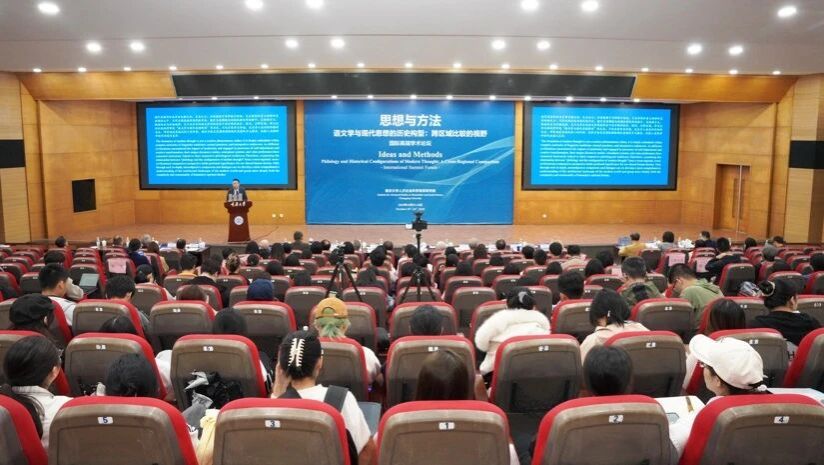
On the morning of October 25, the opening ceremony was chaired by Professor Fang Weigui, Hongshen Distinguished Scholar of Chongqing University and convener of the forum. Professor Yang Jun, Vice President of Chongqing University, delivered the welcoming address.
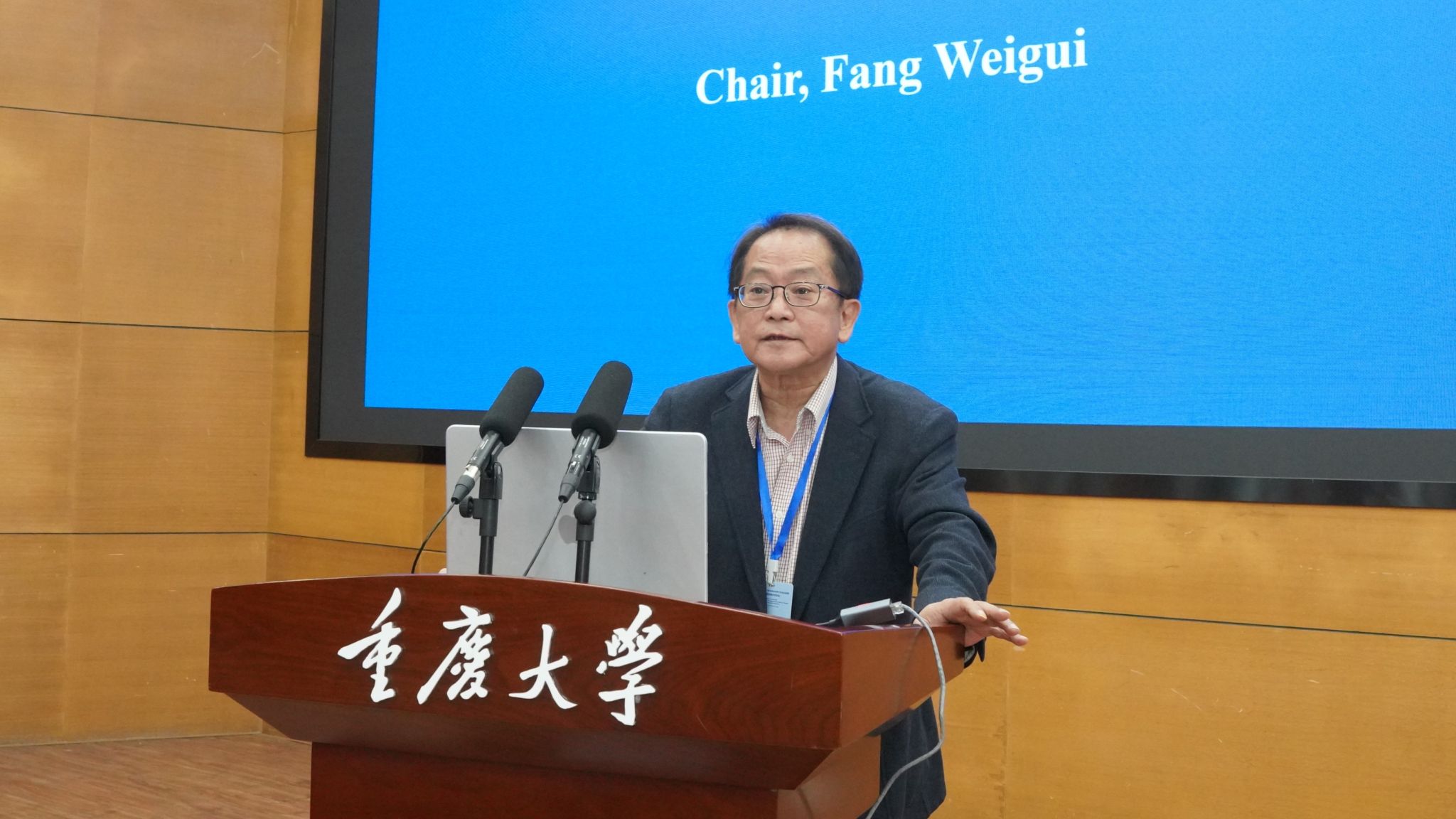
Professor Fang Weigui, Hongshen Distinguished Scholar of Chongqing University
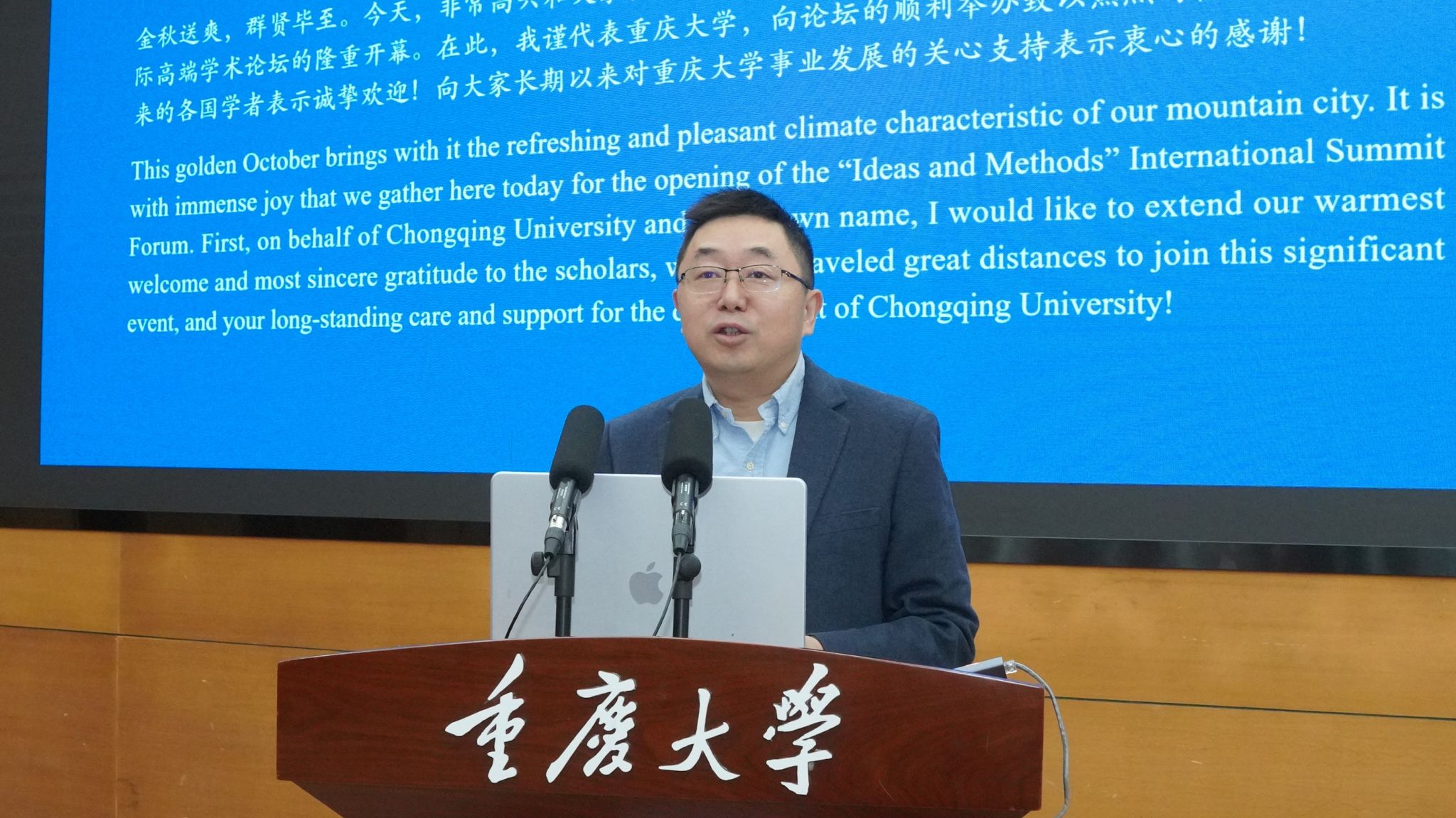
Professor Yang Jun, Vice President of Chongqing University
Over the two-day conference, scholars engaged in eight intensive and high-level academic sessions centered on the forum’s overarching theme.
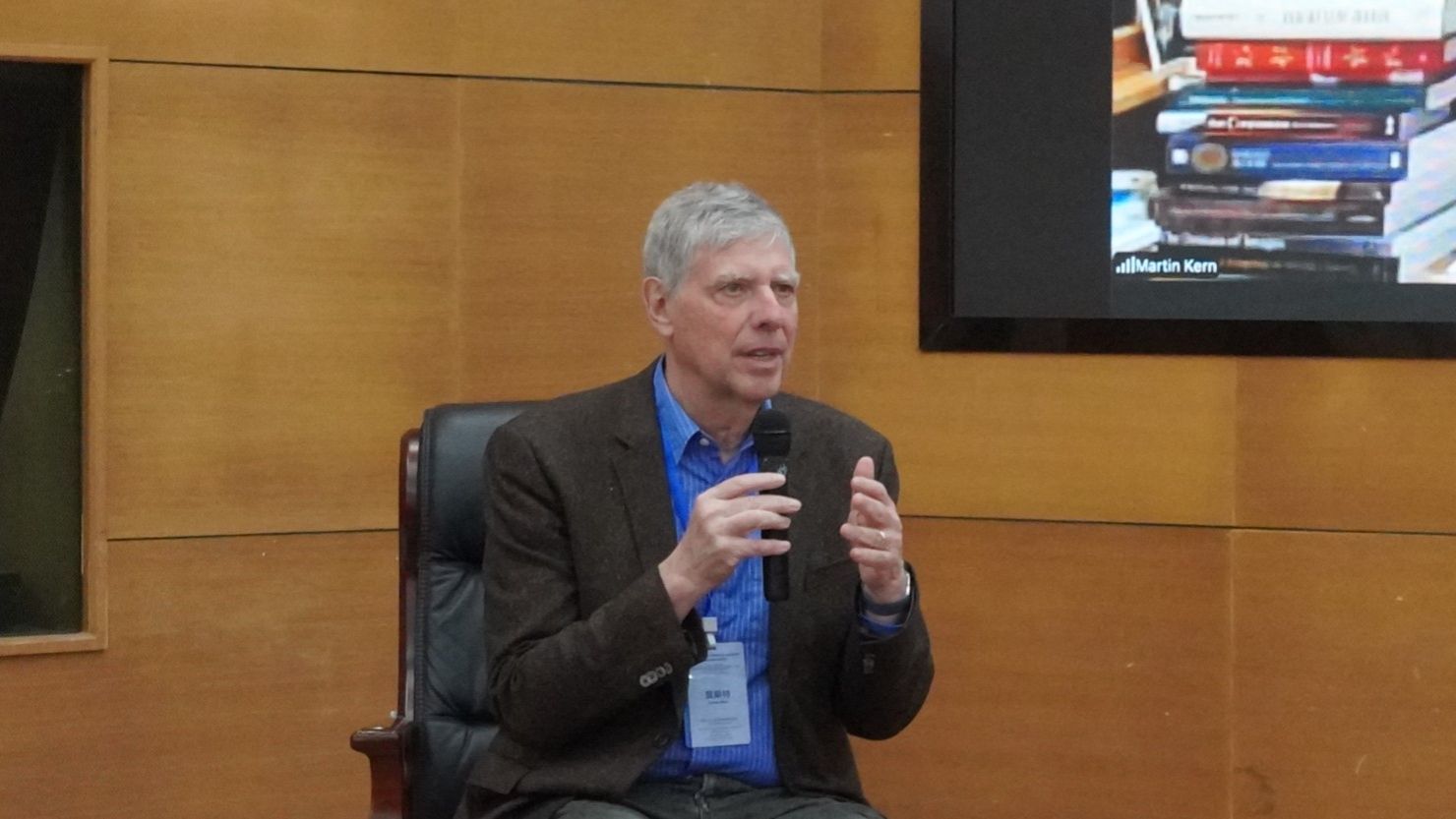
The first and second sessions were devoted to a joint exploration of the plural configurations of global philology. Professor Hans Ulrich Gumbrecht, Emeritus Professor at Stanford University, approached philology from its epistemological framework, raising a fundamental challenge to the assumption that philology constitutes a single, unified Western tradition. Following this, Professor Richard Thomas of Harvard University examined the commentary tradition on Virgil’s Aeneid, demonstrating how philology participates in the construction and deconstruction of ideology, and offering a profound account of the modern significance of philological practice. The session concluded with a joint presentation by Professor Glenn Most, Research Fellow at the Max Planck Institute for the History of Science in Germany, and Professor Martin Kern, of Princeton University, focusing on the Philological Practices: A Comparative Historical Lexicon. As the first global reference work of its kind in philology, the dictionary seeks to move beyond a Greek-Latin-centered genealogical model and to lay the groundwork for a genuinely global comparative philology.
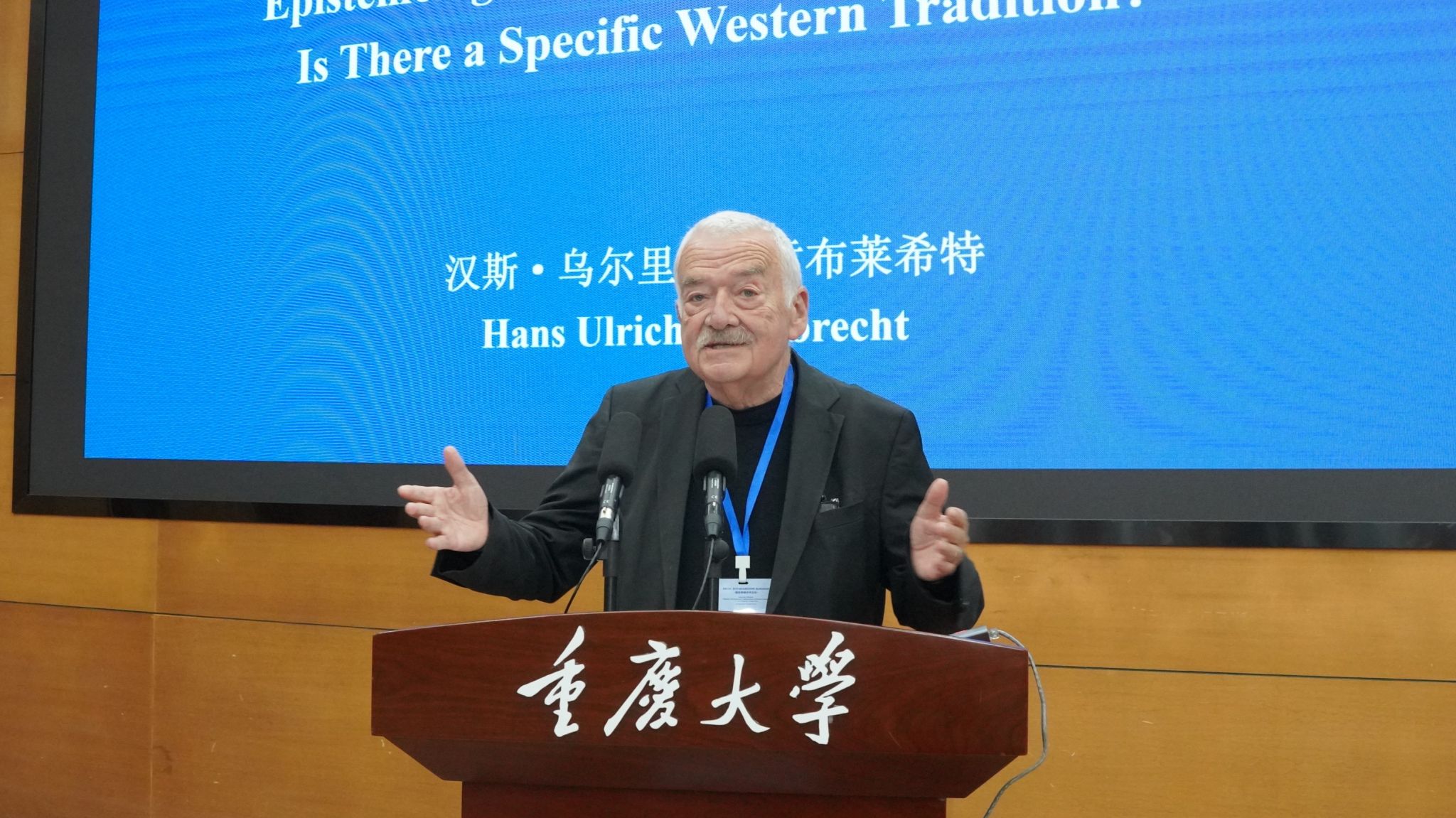
Professor Hans Ulrich Gumbrecht (Stanford)
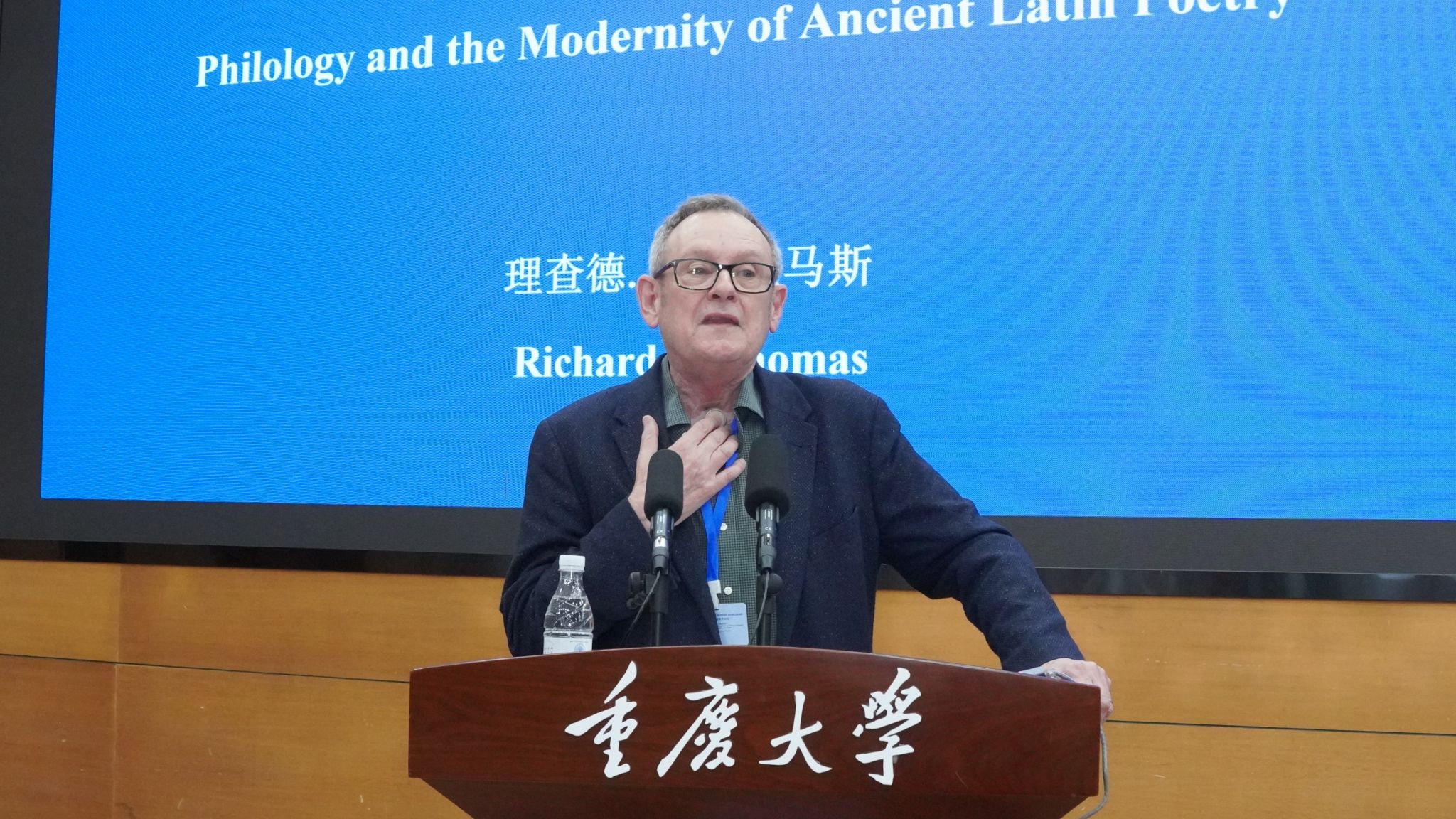
Professor Richard Thomas (Harvard)
Professor Glenn Most (the Max Planck Institute)
Professor Martin Kern (Princeton)
The third session revisited the cross-cultural circulation of key concepts and ideas in early twentieth-century Europe. Professor Galin Tihanov of Queen Mary University of London opened the session by examining debates within European academia in the first half of the twentieth century concerning the nature and value of “Romanticism,” thereby illuminating the complex relationship between “value” and “historical period” in literary and intellectual history. Professor Susanne Frank of Humboldt University of Berlin then reconsidered the intricate and intertwined relationships—both competitive and convergent—among formalism, stylistic typology, and Marxism, reconstructing the landscape of literary theory in Central and Eastern Europe in the early twentieth century. Finally, Professor Bruno Gomide of the University of São Paulo took as his case study the Brazilian critic Augusto Meyer’s parallel readings of Dostoevsky and Machado de Assis, revealing the complexity of cross-cultural philological practice and offering important insights into the mechanisms of literary reception in peripheral cultures.
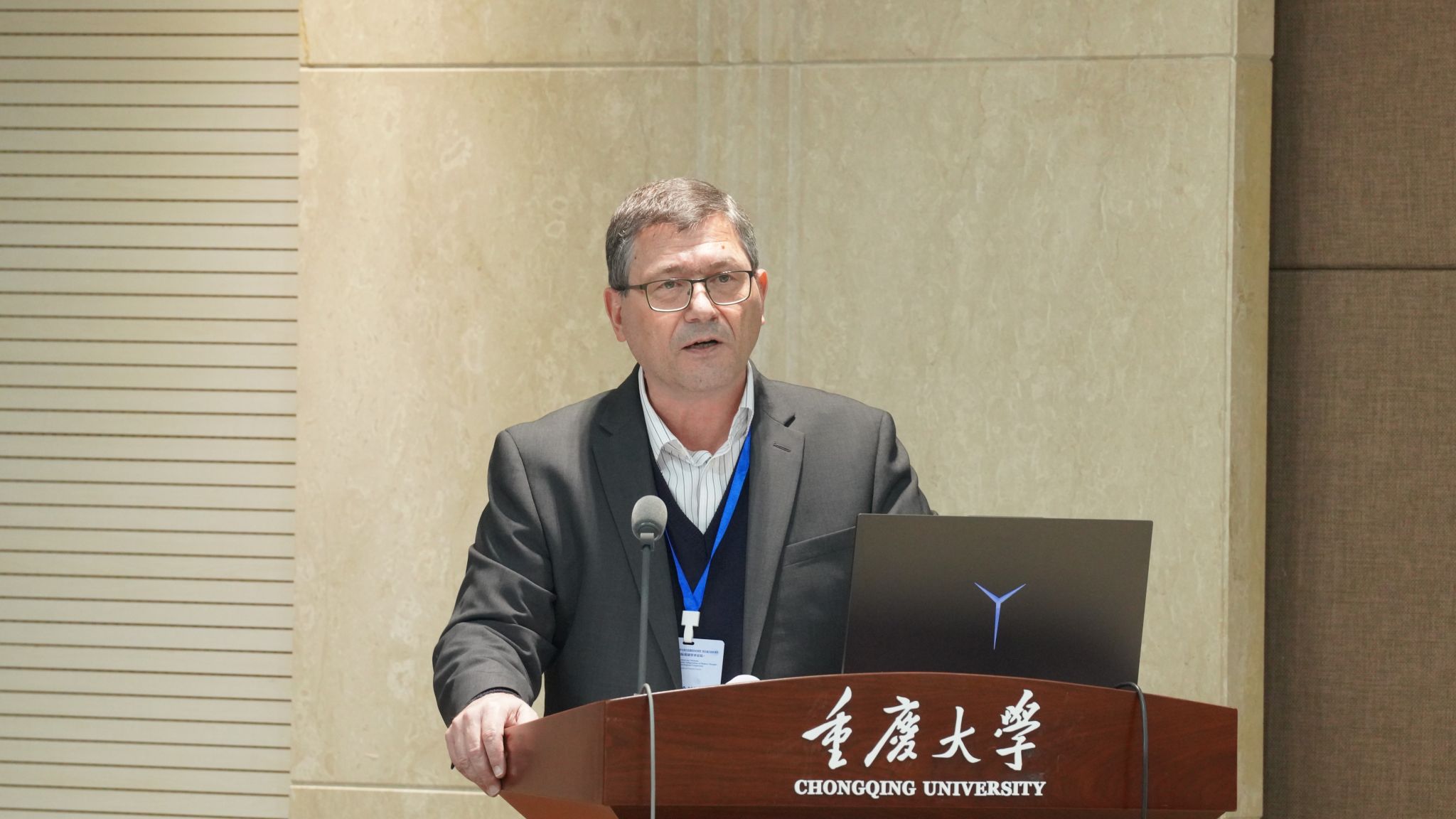
Professor Galin Tihanov (Queen Mary University of London)
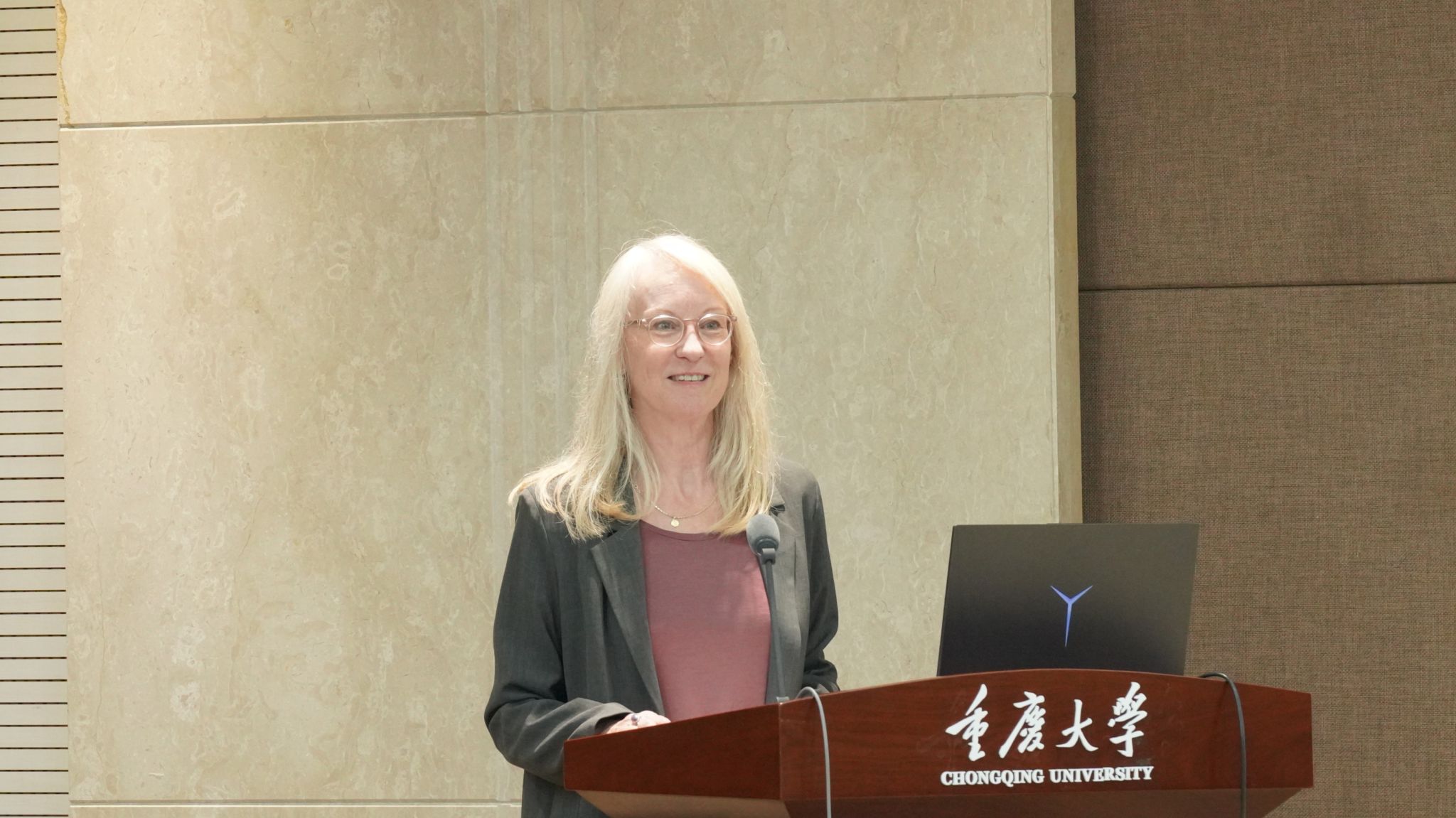
Professor Susanne Frank (Humboldt University of Berlin)
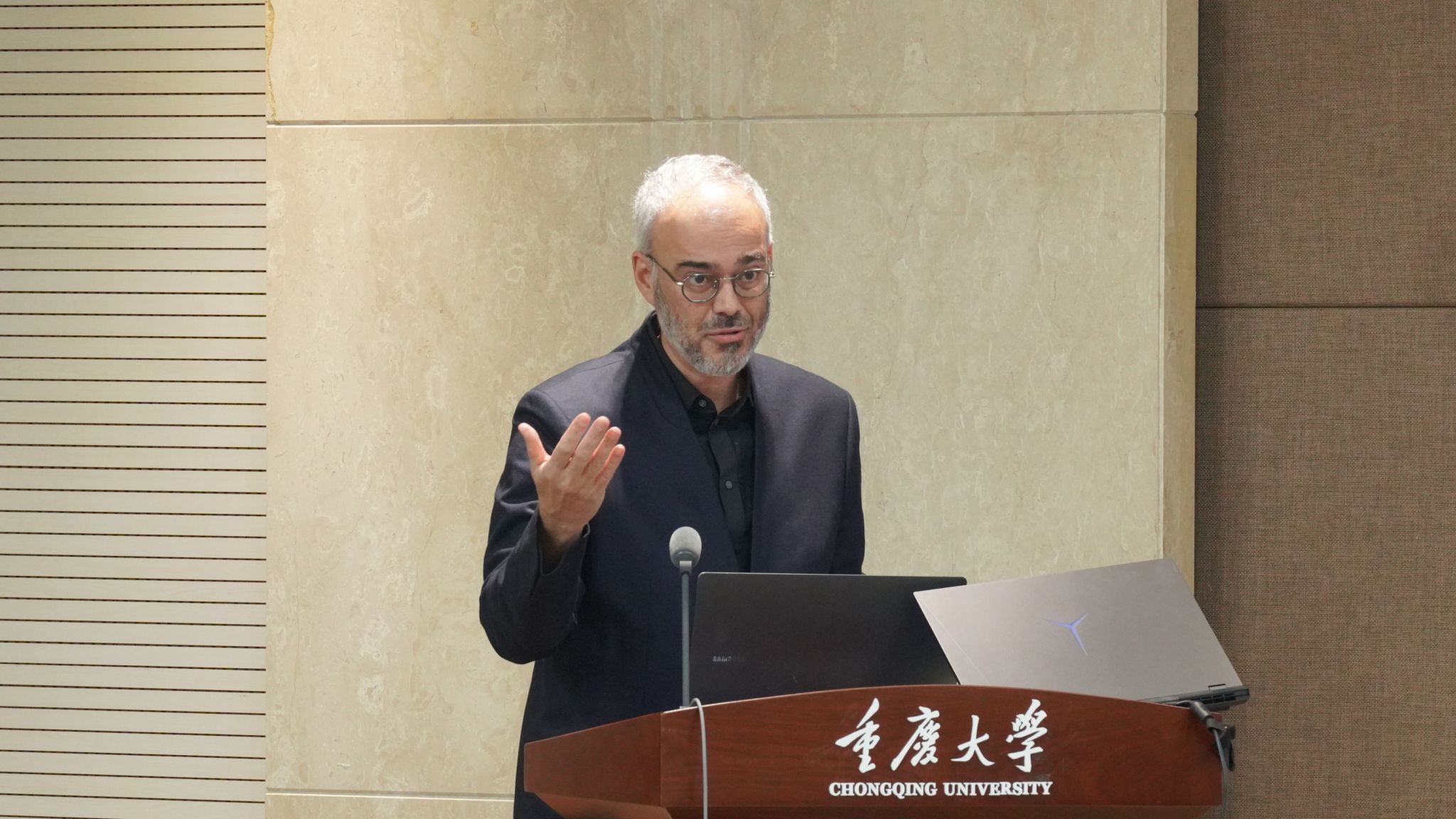
Professor Bruno Gomide (University of São Paulo)
The fourth and fifth sessions shifted the focus eastward, concentrating on methodological practices of philology in East Asian studies and their modern significance. Professor Feng Shengli, Emeritus Professor at the Chinese University of Hong Kong, reexamined the concept of li bi (“necessary principles”) in the Qing-dynasty Qian–Jia philological school, highlighting its spirit of scientific reasoning and drawing a comparison with Chomsky’s paradigm of generative linguistics. His paper offered a new interpretation of indigenous Chinese traditions of rationalist thought. Professor Hans van Ess of Ludwig-Maximilian University of Munich conducted a meticulous philological analysis of the term “crown prince” in The Secret History of the Mongols, correcting key assumptions about early Mongol political institutions and underscoring the methodological principle that philological research must attend to both a text’s internal logic and its specific historical context. Professor Michisaka Akihiro of Kyoto University identified and systematized a distinctive textual-critical method of “Wang Bo annotating Wang Bo,” proposing its extension to the study of other writers and even to the broader field of parallel prose research across East Asia. Professor Zhang Zhejun of Sichuan University, through an analysis of a textual error in Japanese Gozan literature—where the longevity deity Shouxing legend’s reign title “Jiayou” was mistakenly recorded as “Yuanyou”—demonstrated that textual corruptions themselves may encode rich information about cultural exchange. He thus advanced a new comparative-literary philological paradigm that takes “relations of exchange” as a basis for textual criticism. Finally, Professor Shen Guowei, Emeritus Professor at Kansai University, traced the debate between Katō Hiroyuki and Nishi Amane over whether philology could serve as an instrument for reforming the national language, revealing the complex role philology played in language reform within the modern nation-state.
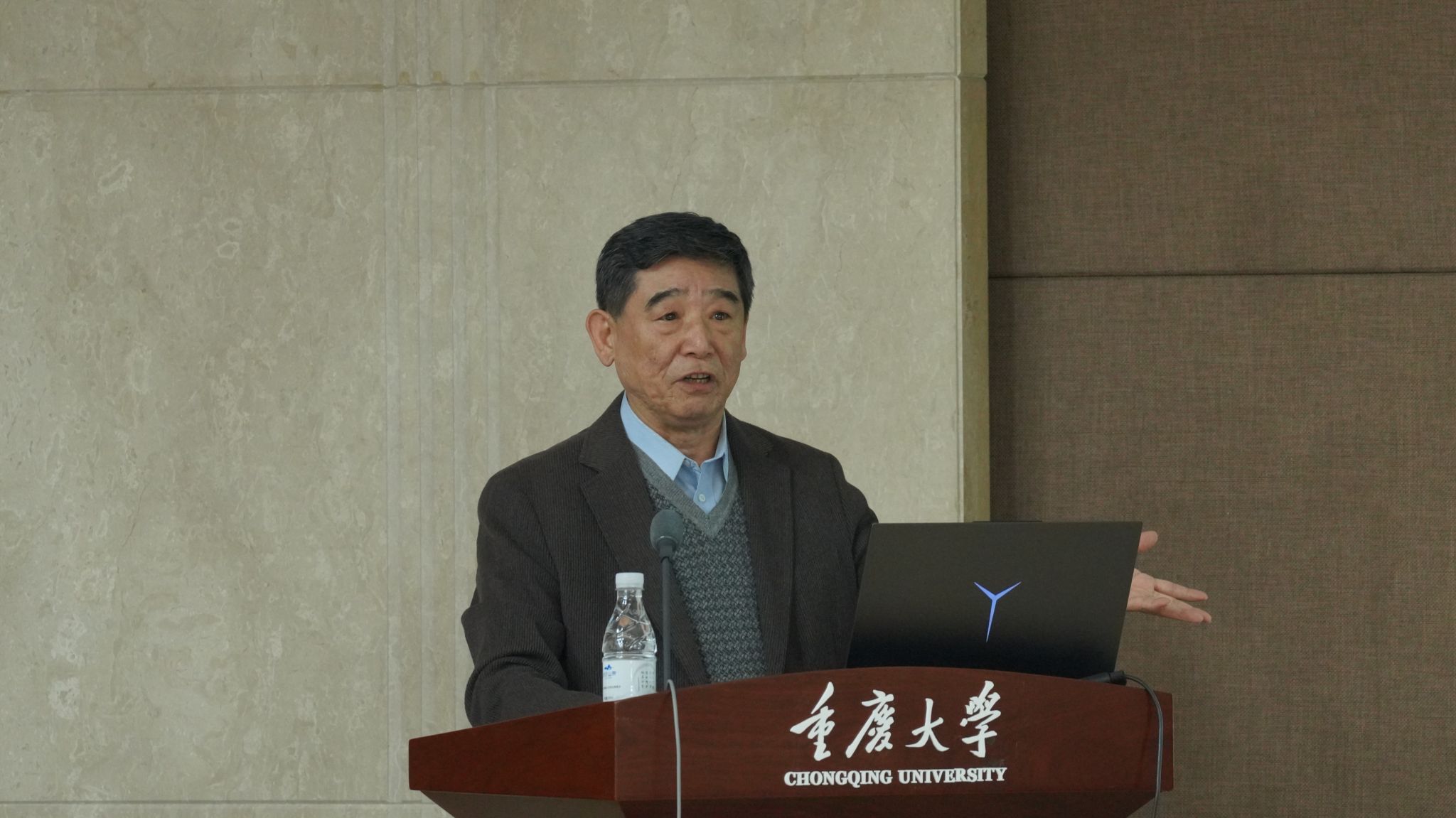
Feng Shengli (Chinese University of Hong Kong)
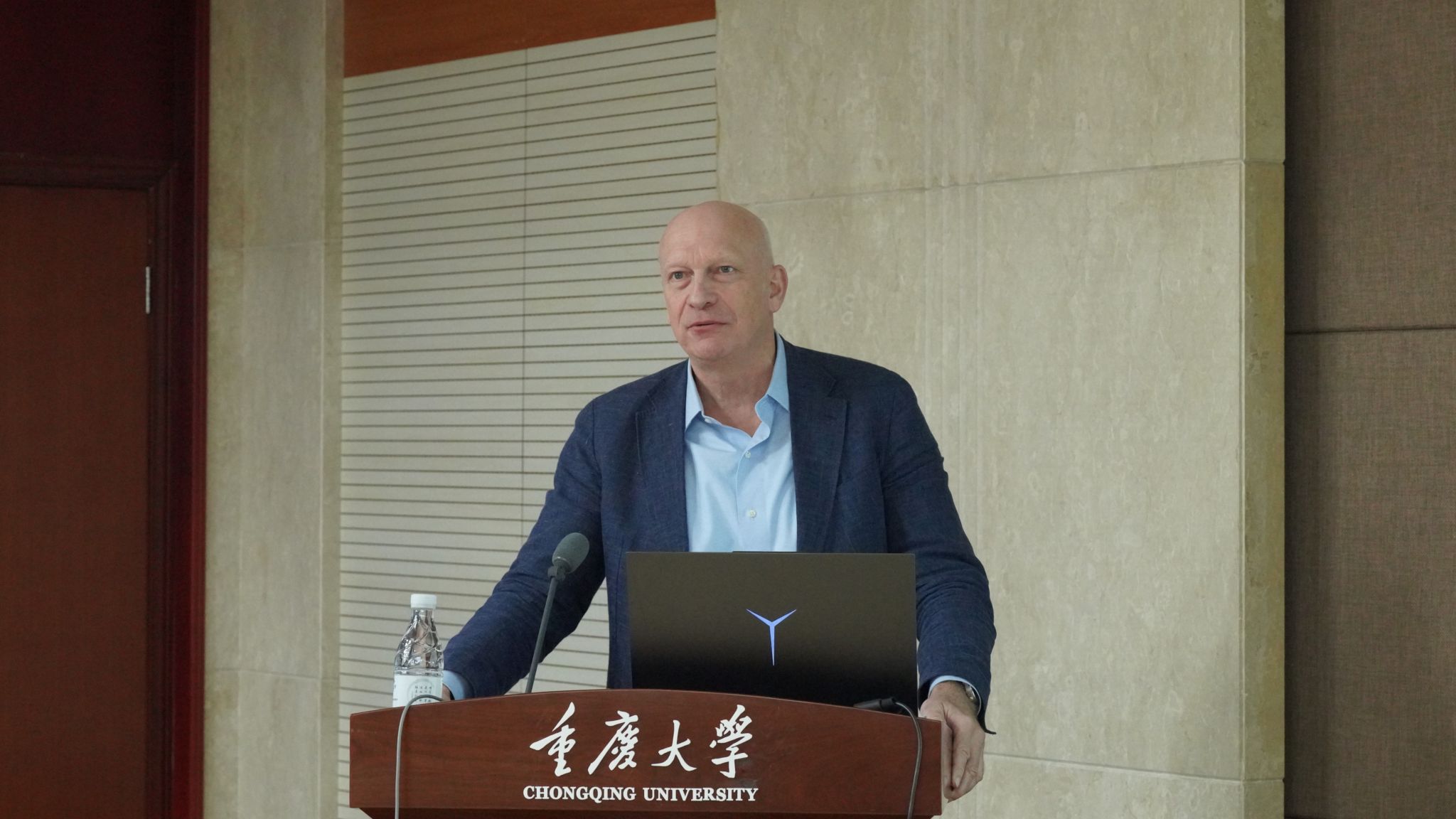
Professor Hans van Ess (Ludwig-Maximilian University of Munich)
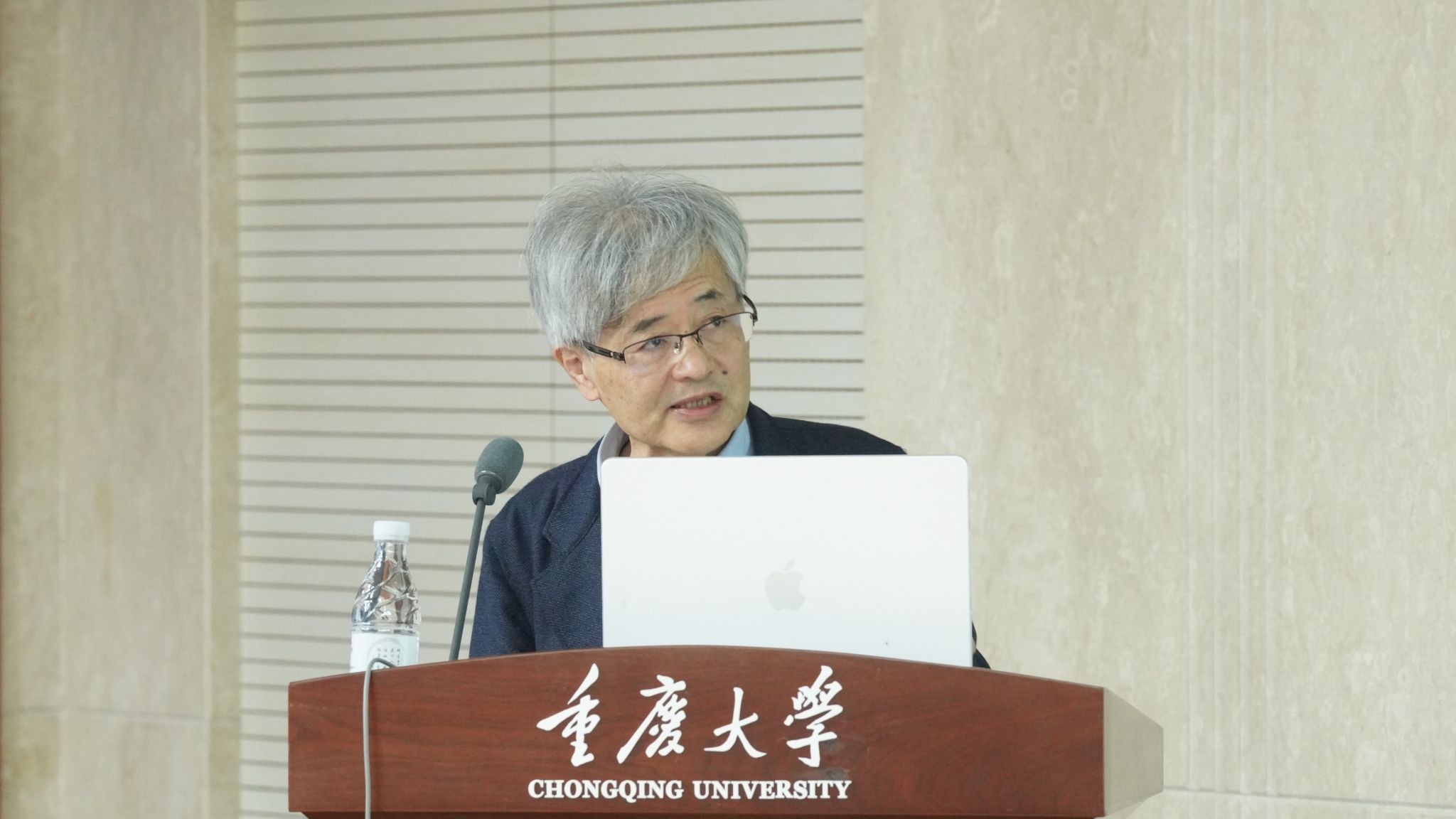
Professor Michisaka Akihiro (Kyoto University)
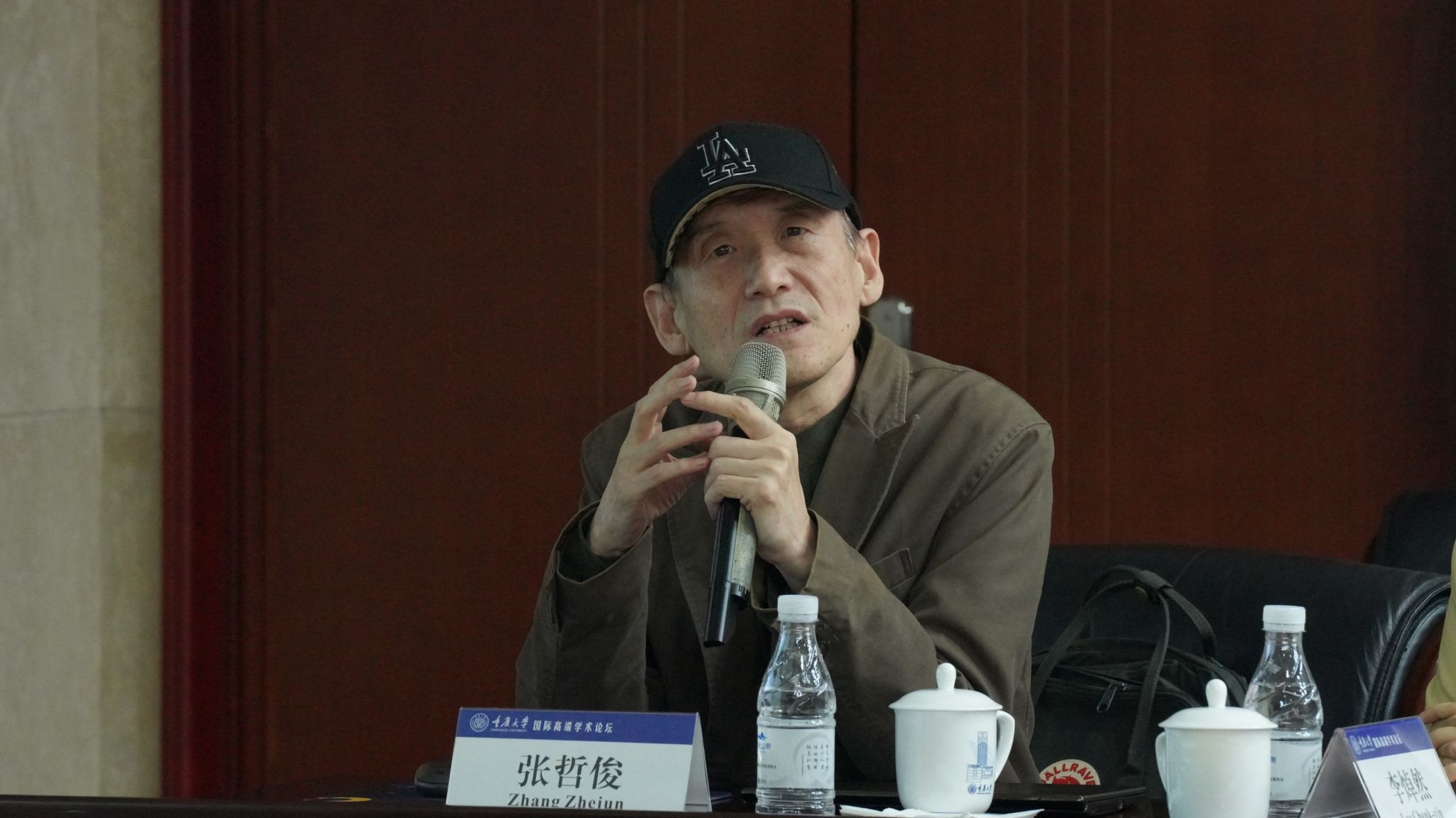
Professor Zhang Zhejun (Sichuan University)
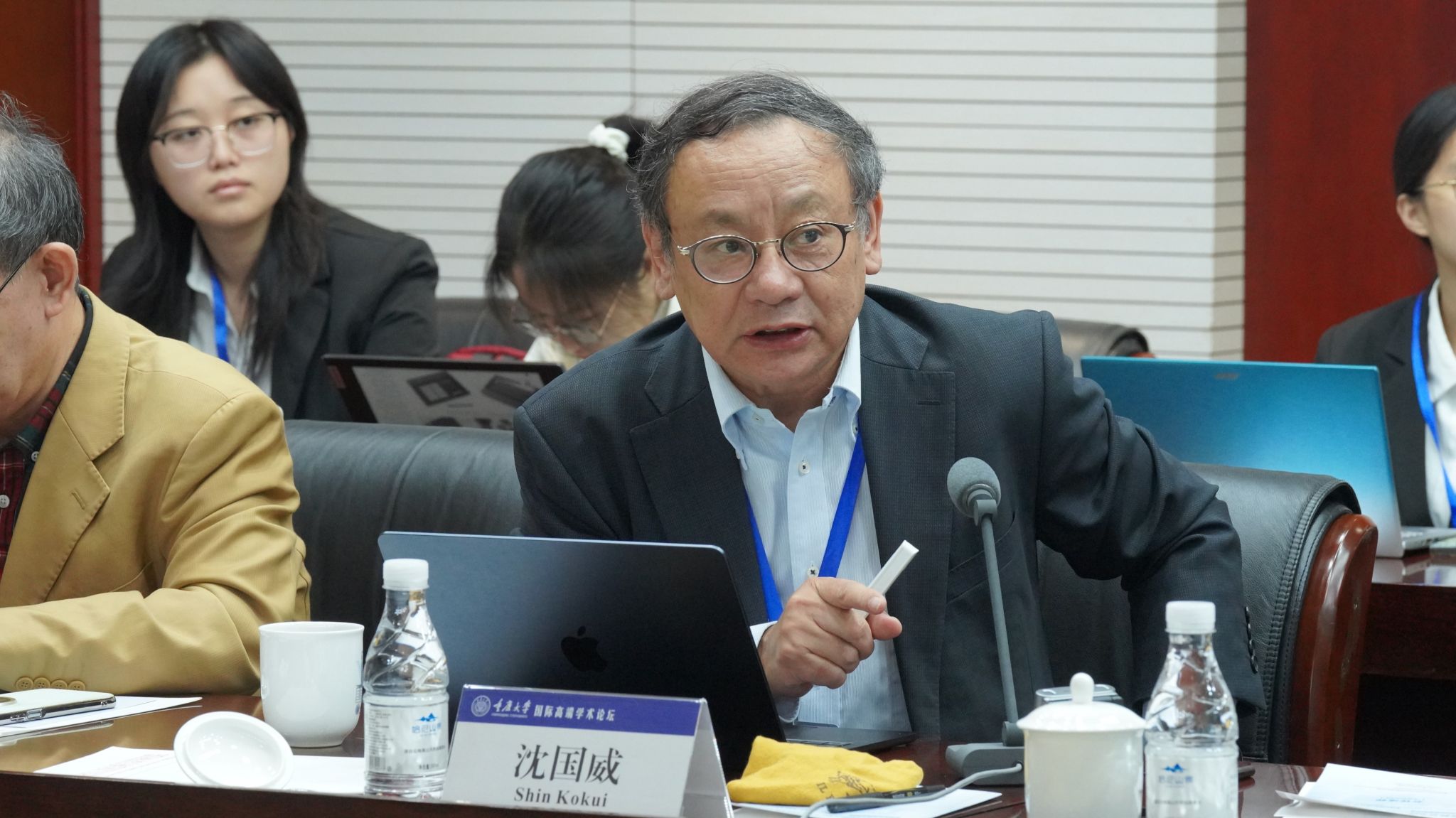
Professor Shen Guowei (Kansai University)
The sixth session examined the profound interactions between Chinese philology, the translation of classical and religious texts, and the history of Chinese thought. Professor Hao Lan of Nankai University traced the institutional development of Oriental Studies in China, arguing that its formation was shaped not only by the political and academic conditions of modern China but also by broader global trends toward the differentiation and specialization of philological disciplines. Professor Lee Cheuk Yin, Emeritus Professor at the National University of Singapore, compared the scriptural translation practices of the Jinling Islamic scholarly tradition and the Catholic Jesuit missions in the late Ming and early Qing periods, demonstrating how textual translation, understood as a creative art, actively participated in and profoundly reshaped the intellectual transformations of particular historical moments.
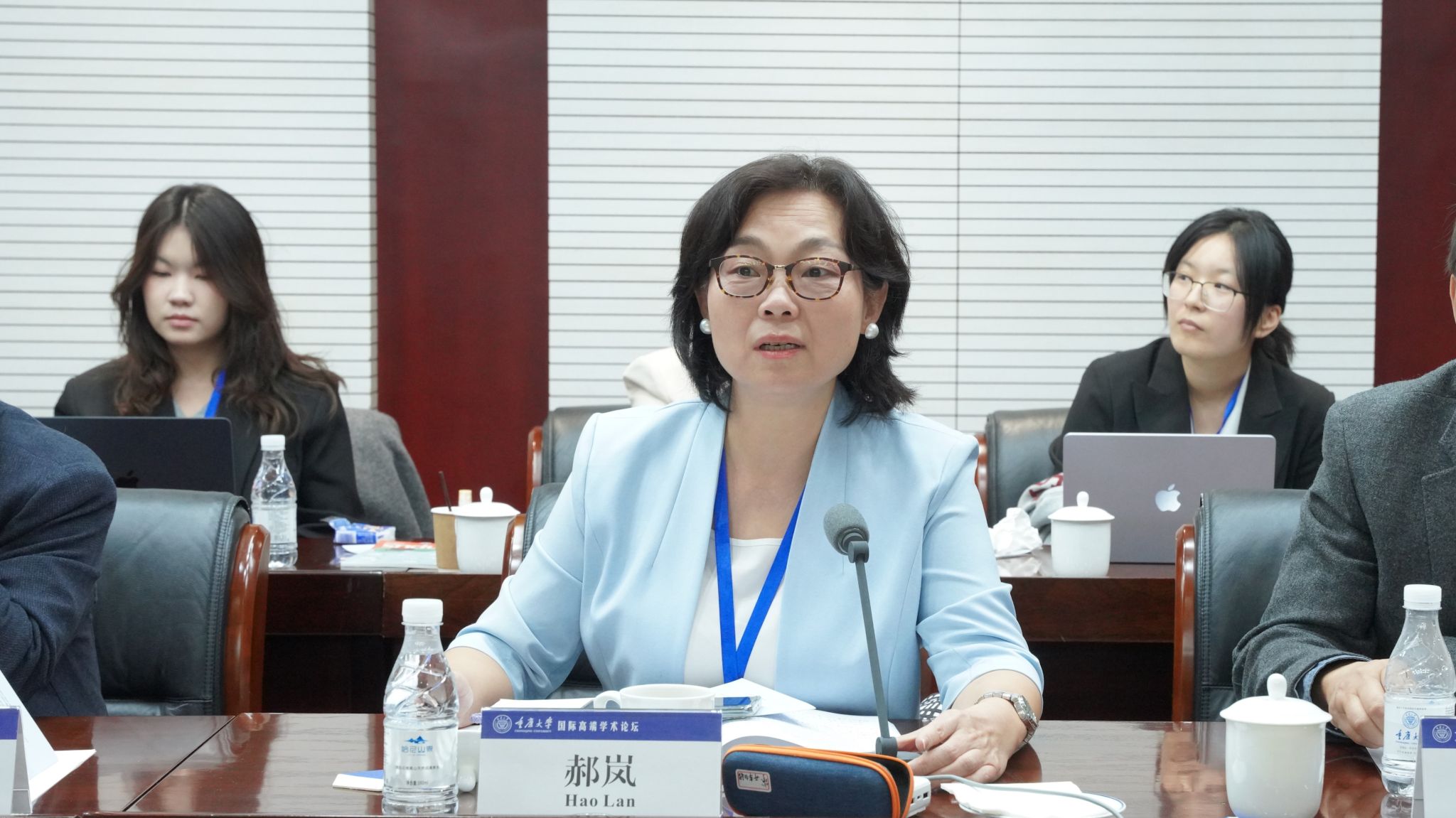
Professor Hao Lan (Nankai University)
The seventh session explored core categories and modes of thought in classical Chinese philosophy that engage in a mutually illuminating relationship with philology. Professor Chi-Hui Liu, Emeritus Professor at Yang Ming Chiao Tung University, revisited the late-Ming and early-Qing thinker Fang Yizhi’s dialectical notion of “one and two,” uncovering within it a form of dynamic, topology-oriented critical thinking. Professor Geng Youzhuang, Emeritus Professor at Renmin University of China, offered a systematic exposition of the central category of xiang (image/form) in the Chinese intellectual tradition, tracing its development from a philosophical concept to artistic practice and demonstrating its foundational significance for understanding the distinctive character of Chinese art.
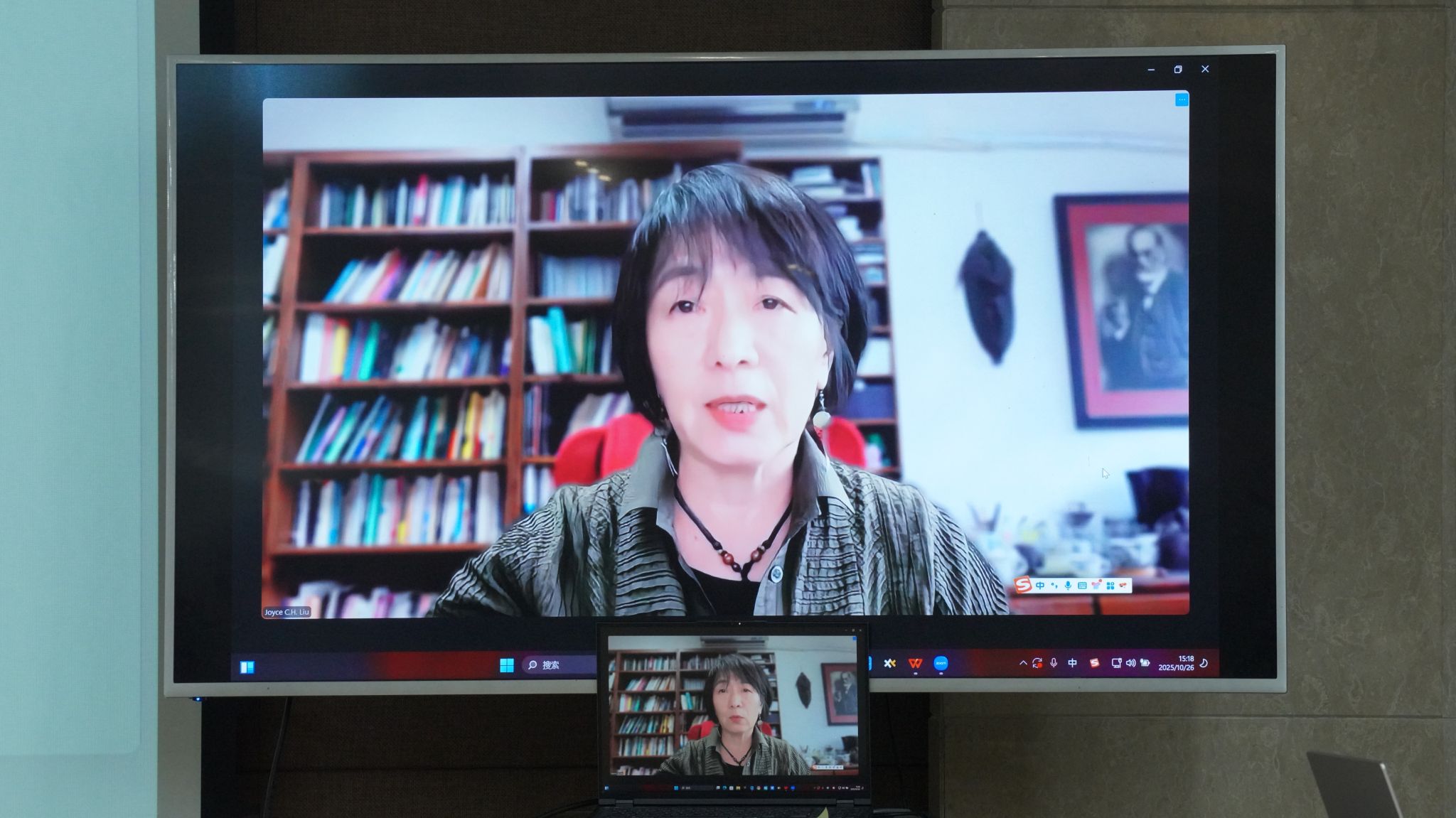
Professor Chi-Hui Liu (Yang Ming Chiao Tung University)
The eighth session approached the topic from fields related to philology in order to collectively reflect on—and seek to move beyond—Western-centered configurations of modern knowledge. Professor Petit of the École Normale Supérieure in Paris examined the challenges faced by nineteenth-century Indo-European comparative grammar in constructing its own terminological system, and reflected on the strategies adopted by linguists in response. Professor Lin Jinghua of Capital Normal University offered a penetrating analysis of the paradox whereby the Russian humanities institutionally modeled themselves on European philological paradigms while simultaneously constructing an anti-Western discourse at the level of their underlying epistemic orientation, thereby revealing the complex entanglement between knowledge production and geopolitics. Professor Andrei Terian of Lucian Blaga University of Sibiu, Romania, compared convergences among Central European, Latin American, and East Asian thinkers on the issues of “civilization” and “culture.” On the basis of a critique of Western-centered interpretive frameworks, he advocated grounding cultural theory in indigenous concepts from different regions, moving toward a non-Westernized and more inclusive theoretical configuration.
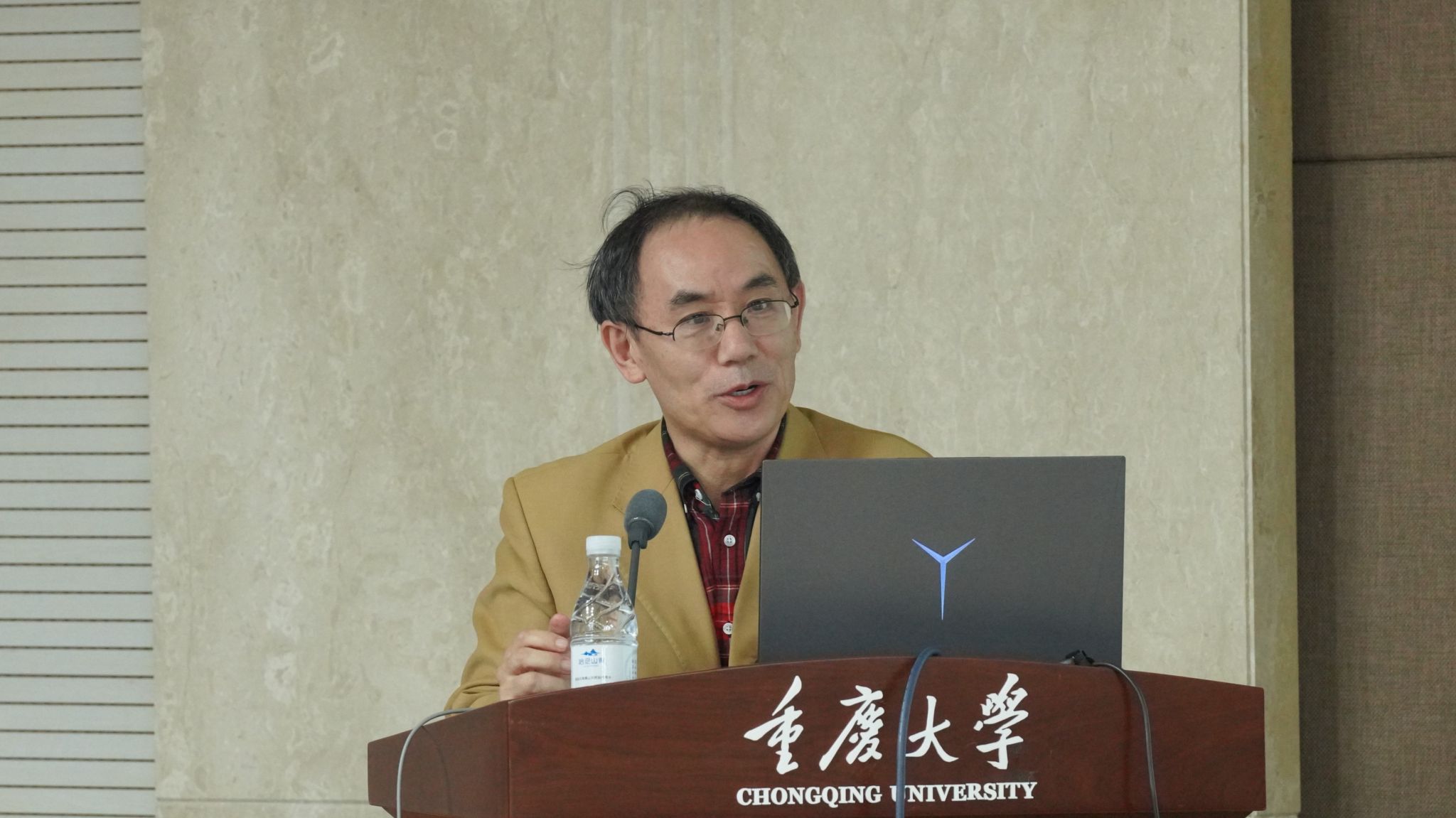
Professor Lin Jinghua (Capital Normal University)
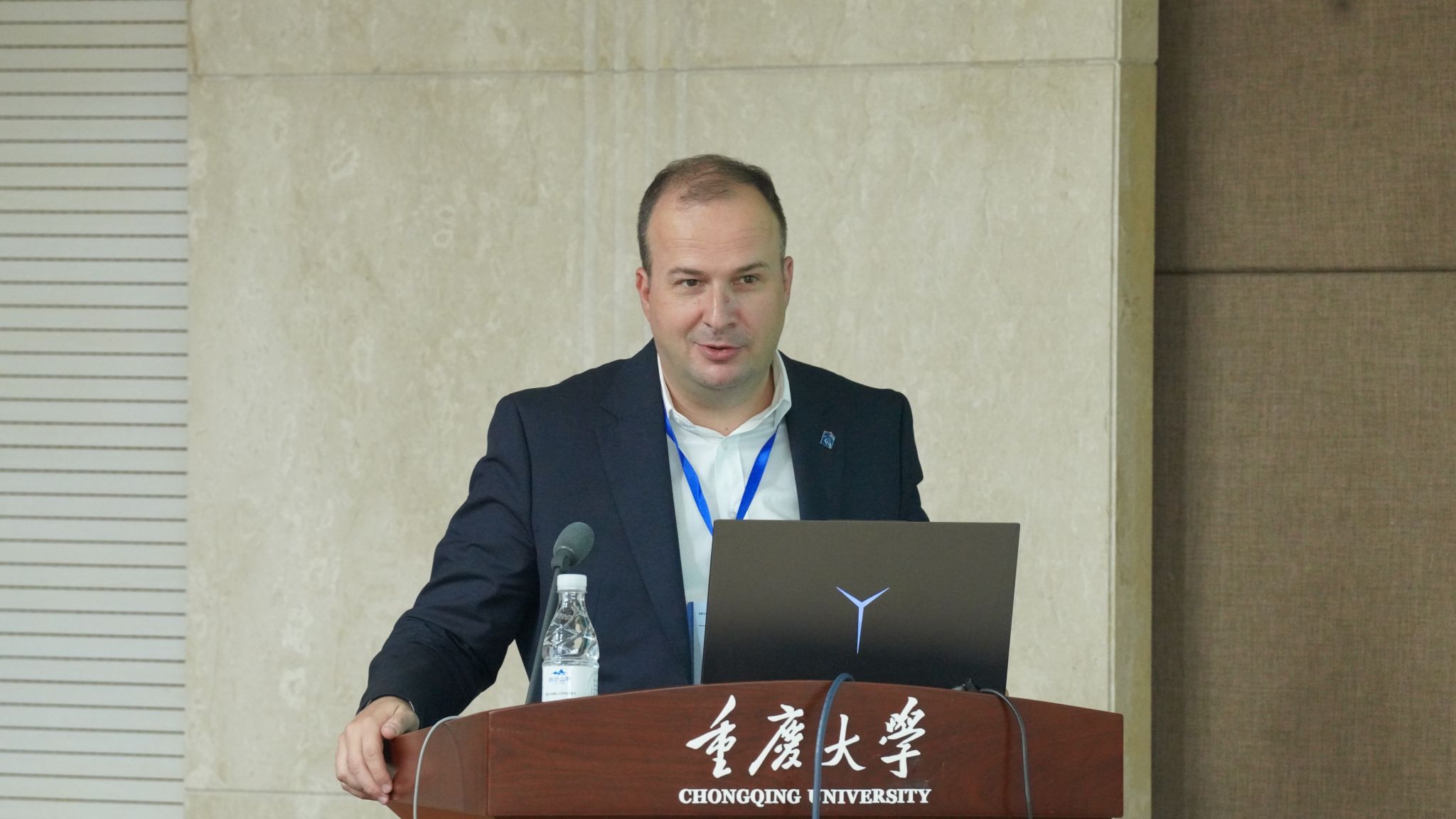
Professor Andrei Terian (Lucian Blaga University of Sibiu)
At the closing ceremony of the forum, Professor Fang Weigui delivered a concluding address and expressed his gratitude to all participants.
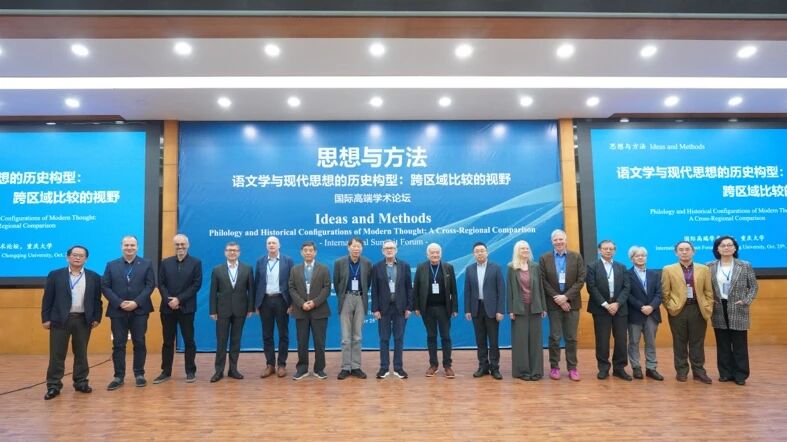
The presentations at the forum spanned a wide range of fields, including Chinese and Western classical studies, comparative literature, theoretical criticism, intellectual history, and linguistics. They highlighted the role of philology as a knowledge-production pathway within classical scholarship, exploring the challenges it faces, the transformations it undergoes, and its enduring intellectual productivity in the generation of modern thought. The forum concluded amid lively and inspiring discussions, offering new perspectives and methodologies for the global academic community to understand modern civilizational experiences across different regions. It also showcased the distinctive academic strengths and influence of the Institute for Advanced Studies in Humanities and Social Sciences at Chongqing University in promoting cross-regional, cross-cultural, and interdisciplinary research.




 Wechat official account
 Official website